4 mins min read • 23 November 2026


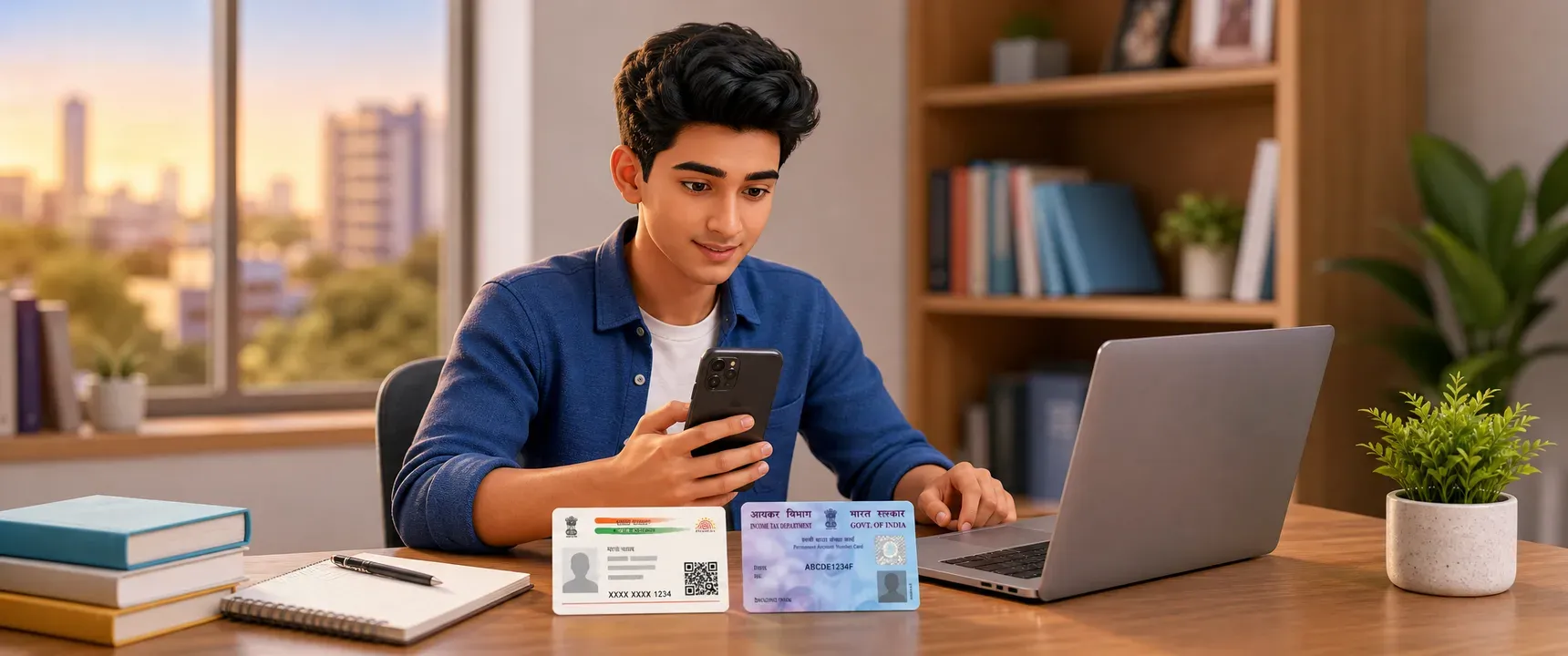
Table of content
Summary
Why no score applications fail
FAQs
You already know you lack a credit score. That part is clear. What catches most Indian borrowers off guard is the set of avoidable mistakes that quietly sink their application before any lender even reviews it. Whether you are a fresher, a gig worker, or someone new to formal credit, understanding these pitfalls can help you move from repeated rejections to a realistic approval. mPokket, which uses alternative assessment methods instead of rigid bureau history, sees these patterns regularly among first time applicants.
Follow our Whatsapp Community for more offers and updates.
Join nowNot having a credit score does not automatically disqualify you. Many digital lenders in India now accept applicants with no bureau history. The real problem is what borrowers do (or fail to do) around the application itself.
Most rejections among no score borrowers trace back to preparation gaps, not eligibility gaps. Lenders using alternative assessment still need signals that you can repay. When those signals are weak or missing, even a flexible platform has limited room to approve.
Mistake 1: Applying to every lender at once
Submitting applications to five or six lenders simultaneously feels productive. It is not. Each hard inquiry can get logged, and a cluster of inquiries within days raises a red flag for any lender reviewing your profile later.
Instead, research which lenders explicitly serve borrowers without a credit score. mPokket, for example, is designed to evaluate applicants using alternative data rather than a mandatory CIBIL cutoff. Targeting the right lender first saves time and protects your future credit profile.
Some applicants try to obscure the fact that they have no credit history. They leave fields blank, provide vague employment details, or avoid uploading documents that would reveal a thin file. This backfires.
Transparency works in your favor. A lender that uses alternative assessment, like mPokket, expects to see applicants with no prior borrowing record. Hiding it only creates inconsistencies that slow down or block approval.
Your bank statement is often the single most important document when you lack a credit score. Lenders scan it for income regularity, spending patterns, and average balance. A statement showing erratic deposits, frequent bounced transactions, or a consistently low balance weakens your case.
Before applying, maintain at least two to three months of steady deposits. Avoid unnecessary overdrafts. If you receive income through UPI or cash deposits, ensure those transactions are visible and consistent in your primary bank account.
Digital lenders have simplified the process, but you still need basic documents ready. PAN card, Aadhaar card, a selfie for verification, and a recent bank statement are standard requirements. Applicants who scramble to gather these mid application often abandon the process or submit blurry, incomplete uploads.
Prepare everything before you open the app. mPokket uses a paperless, OTP based digital KYC process, so having your PAN and Aadhaar details handy can help you complete the application in minutes rather than days.
First time borrowers sometimes request the maximum available amount, assuming a larger loan signals confidence. Lenders see it differently. When your income is modest and you have no repayment track record, a large loan request relative to your earnings looks risky.
Start small. A manageable loan amount with a comfortable EMI builds trust and, more importantly, builds your credit history through on time repayment. mPokket offers loans that can help first time borrowers begin with smaller amounts suited to their repayment capacity.
The Key Fact Statement (KFS) is a standardized disclosure that RBI mandates for digital loans. It lists the interest rate, total repayment amount, fees, and tenure in plain language. Skipping this document means you may agree to terms you do not fully understand.
Always read the KFS before accepting a loan offer. Compare the total repayment figure against your monthly income. This single step can help you avoid overborrowing and missed EMI payments down the line.
Many no score borrowers treat their first loan as a one time transaction. They repay and move on without realizing that timely repayment is reported to credit bureaus. Each on time payment contributes to building a formal credit score.
Think of your first loan as the foundation of your credit profile. Set up autopay or UPI reminders so you never miss a due date. Over several months, disciplined repayment can help you graduate from a no score borrower to someone with a visible, positive credit history.
Avoiding these seven mistakes does not guarantee approval, but it significantly improves your readiness. For borrowers in India who lack a credit score, the path forward is not about finding a shortcut. It is about presenting your financial behavior clearly and choosing a lender, like mPokket, that is designed to assess you fairly using alternative data rather than penalizing you for having no bureau record.
mPokket is designed to assess loan eligibility using alternative data such as income patterns and bank activity, which can help applicants who do not have a traditional credit score access personal loans through a paperless digital process.
Yes. Several digital lenders in India serve borrowers with no credit history. Platforms like mPokket use alternative assessment methods instead of requiring a mandatory CIBIL score, evaluating factors like bank statement activity and identity verification.
Lenders that serve no score borrowers typically analyze bank transaction patterns, income regularity, employment or education details, and KYC documents. mPokket uses this alternative data approach to evaluate repayment capacity without relying on bureau history.
Yes. When you repay a loan on time, the lender reports your repayment behavior to credit bureaus. Over time, consistent on time payments can help you build a formal credit score even if you started with no history at all.
Best practices for first time borrowers with no credit history
3 mins min read • 7 October 2026
How First-Time Borrowers Can Build Credit History in India (Step-by-Step Guide)
5 min read • 6 May 2026
Best practices for preparing instant personal loan documents before you start
3 mins min read • 28 September 2026
Which app gives loan without credit score in India
3 mins min read • 18 September 2026
How Does Applying for a Personal Loan Affect Your Credit Score?
2 min read • 24 August 2026