3 mins min read • 7 October 2026


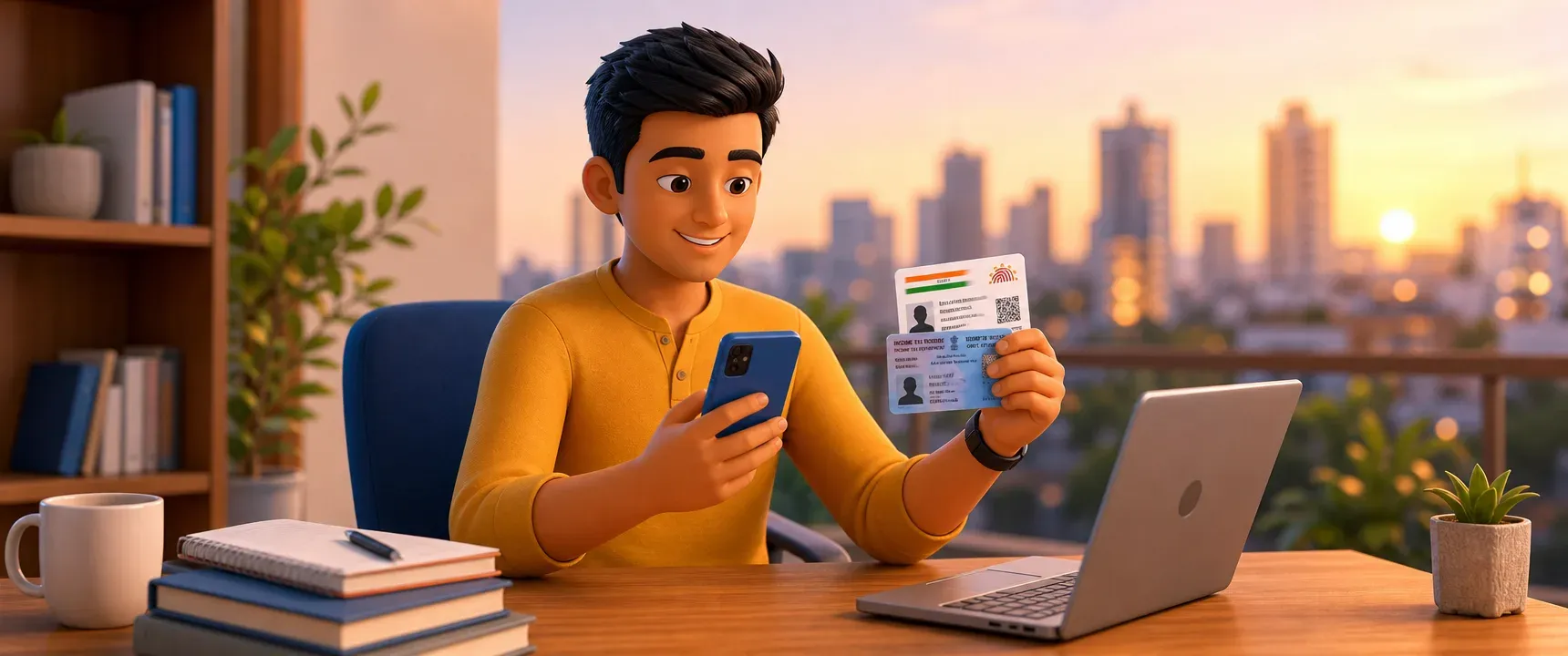
Table of content
Best practices for first time borrowers with no credit history in India
Why no credit history blocks access
Best practices before you apply
How alternative assessment works
Responsible borrowing after approval
Building credit history over time
Who benefits most from this approach
FAQs
Millions of young Indians face a frustrating paradox: lenders want a credit history before approving a loan, but you cannot build credit history without first getting a loan. If you are a fresher, gig worker, freelancer, or homemaker applying for the first time, this barrier can feel impossible to cross. mPokket addresses this gap through alternative data assessment and digital KYC, offering a realistic path for credit invisible borrowers in India to access their first loan and begin building a repayment track record.
Follow our Whatsapp Community for more offers and updates.
Join nowTraditional banks and NBFCs rely heavily on CIBIL scores to evaluate loan applications. A score below a threshold, or no score at all, triggers automatic rejection. This system penalizes people who have never borrowed formally, not people who have borrowed irresponsibly.
The result is a large population of credit invisible Indians. According to credit bureau data, a significant share of India's adult population has no formal credit footprint. Freshers entering the workforce, homemakers managing household finances, gig economy workers earning through platforms, and freelancers with irregular invoices all fall into this category.
Digital lenders like mPokket have emerged to fill this gap. Instead of requiring a pre existing CIBIL score, mPokket uses alternative data assessment. This includes verifying identity through Aadhaar and PAN, analyzing income signals, and evaluating digital behavior patterns to determine repayment capacity.
Preparation matters more when you lack a credit track record. Every signal you send during the application process shapes the lender's confidence in your ability to repay. Follow these numbered practices to strengthen your first loan application.
Keep your Aadhaar card and PAN card accessible on your phone. mPokket uses OTP based digital KYC, so you will not need physical copies. Ensure your Aadhaar is linked to your current mobile number for seamless verification.
Your bank account should show regular activity, even if the amounts are small. Salary credits, stipend deposits, or UPI transactions all demonstrate financial engagement. mPokket disburses funds directly to your verified bank account, so accuracy here is essential.
Fill in occupation details, income range, and contact information without exaggeration. Digital lenders cross reference submitted data with verification sources. Inconsistencies can delay or block approval. Honest profiles build trust with the algorithm.
Salary slips, freelance invoices, gig platform earnings screenshots, or bank statements showing regular deposits all count. Even if mPokket does not mandate formal income proof for every applicant, providing it can improve your approval odds and potentially unlock a higher loan amount.
Resist the temptation to borrow the maximum available. A smaller first loan is easier to repay on time, and on time repayment is the single most important factor in building your credit profile. Think of your first loan as a stepping stone, not a windfall.
When a lender like mPokket evaluates a borrower without a CIBIL score, the process differs from traditional underwriting. Instead of pulling a credit bureau report, the platform analyzes a combination of identity verification, income signals, and behavioral data.
Aadhaar and PAN verification confirms your identity and links you to government records. This replaces the need for physical document submission at a bank branch. The entire process is paperless and can complete within minutes through the mPokket app.
Income assessment happens through uploaded documents or inferred signals. A fresher might show an offer letter or first salary credit. A gig worker might share platform earnings. A homemaker starting a tiffin service might provide UPI transaction records from customers.
Behavioral signals, such as app usage patterns and device data, add another layer. These alternative data points help the lender estimate repayment capacity without relying on a score that does not yet exist. This approach is what makes mPokket accessible to credit invisible borrowers across India.
Getting approved is only half the journey. How you handle repayment determines whether your first loan becomes a credit building success or a financial burden. These practices protect your emerging credit profile.
Missing an EMI due date is the fastest way to damage a new credit record. mPokket supports autopay loan repayment and UPI loan repayment, both of which reduce the risk of accidental late payments. Enable one of these immediately after disbursal.
Early repayment signals financial discipline to credit bureaus. If your cash flow allows it, pay a few days before the deadline. This habit also prevents month end cash crunches from interfering with your repayment schedule.
Applying to several lenders at once generates multiple hard inquiries on your nascent credit file. Each inquiry can lower your score slightly. Focus on one lender, build a track record there, and then explore other options later if needed.
Use the mPokket app to monitor your EMI dates, outstanding balance, and repayment history. Staying aware of your obligations prevents surprises. The app provides due date reminders and in app repayment options for convenience.
Your first loan should address a real expense: a medical bill, an upskilling course, month end rent, or an unexpected repair. Borrowing for discretionary spending when you have no credit cushion creates unnecessary risk. Treat this loan as a tool for building financial credibility.
Each on time repayment reported to a credit bureau adds a positive data point to your file. After a few successful loan cycles, you will have a CIBIL score that opens doors to larger loans, better interest rates, and broader financial products.
mPokket reports repayment data to credit bureaus, which means your disciplined borrowing directly contributes to your credit profile. A fresher who takes a small loan through mPokket and repays it on schedule can establish a visible credit history within months.
This is particularly valuable for segments that banks traditionally overlook. Gig workers, freelancers, interns on stipends, and homemakers can all use mPokket as their first credit experience. The key is consistency: borrow small, repay on time, and let the data speak for you.
mPokket's alternative assessment model serves several distinct groups of credit invisible borrowers in India. Freshers joining their first job often lack any borrowing history. Gig workers such as delivery partners and cab drivers earn variable income that traditional lenders struggle to evaluate.
Freelancers with project based income face similar challenges. Homemakers who manage household finances but lack formal employment records are another underserved segment. Interns earning monthly stipends also fall outside conventional lending criteria.
For all these groups, mPokket offers a collateral free, paperless loan application process. The app uses Aadhaar and PAN for digital KYC, supports flexible repayment through EMI, UPI, or debit card options, and disburses funds directly to a verified bank account. This combination of accessibility and responsible lending design makes it a practical starting point for anyone new to formal credit in India.
Your first loan shapes your financial future. Approach it with preparation, borrow conservatively, and prioritize on time repayment above everything else. mPokket is designed to help credit invisible borrowers in India take that first step toward building a strong credit profile, without requiring the credit history that traditional lenders demand.
Yes. Digital lenders like mPokket use alternative data assessment, including Aadhaar and PAN verification and income signals, to evaluate first time borrowers. A pre existing CIBIL score is not mandatory for approval on the mPokket platform.
mPokket is designed to serve borrowers without a credit score. The app uses digital KYC with Aadhaar and PAN, evaluates alternative income signals, and offers collateral free instant personal loans to freshers, gig workers, freelancers, and homemakers.
When you borrow from mPokket and repay on time, the repayment data is reported to credit bureaus. This creates a positive credit record from scratch, helping you establish a CIBIL score that can improve your eligibility for future financial products.
You need an Aadhaar card, PAN card, a verified bank account, and a registered mobile number. mPokket uses OTP based digital KYC, so no physical documents or branch visits are required. Income proof can strengthen your application.
Avoid borrowing more than you can comfortably repay, missing EMI due dates, and applying to multiple lenders simultaneously. Start with a small loan amount and set up autopay or UPI repayment to protect your emerging credit profile.
How Does Applying for a Personal Loan Affect Your Credit Score?
2 min read • 24 August 2026
5 Ways Paperless Loan Applications Simplify Loan Access
4 min read • 7 May 2026
Need ₹10,000 Urgent Loan Today — What Should You Do To Get It Fast?
4 min read • 30 April 2026