4 mins min read • 3 November 2026


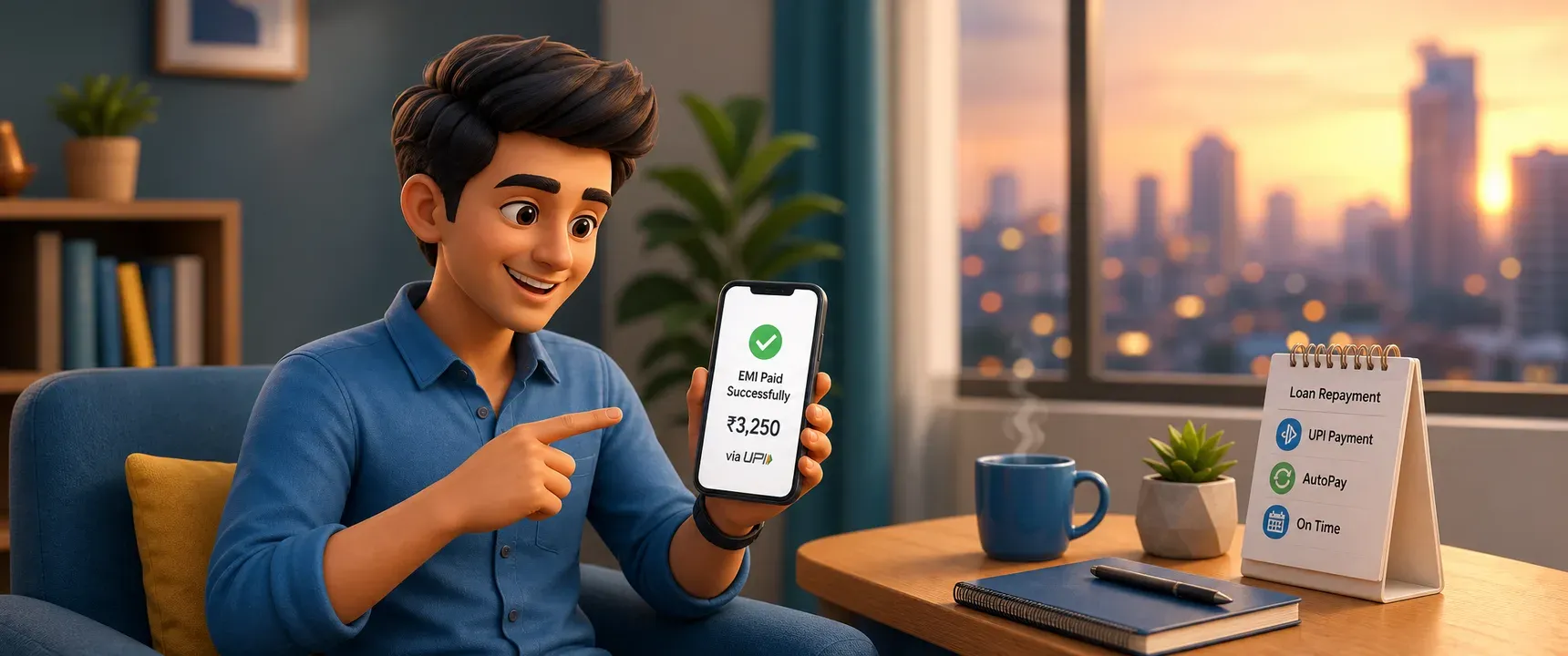
Table of content
Summary
Approval is only half the story
How UPI loan repayment works
What autopay does for borrowers
Why repayment convenience builds trust
What to look for in a loan app's repayment features
FAQs
Why does repayment matter as much as approval? - A smooth approval means little if repaying the loan is difficult. Borrowers who face friction during repayment are more likely to miss due dates, incur penalties, and lose trust in the lending platform. Complete digital lending covers both sides of the transaction.
Can I pay personal loan EMI through UPI? - Yes. Platforms like mPokket support UPI as a repayment method, allowing borrowers to pay their EMI directly from a UPI linked bank account within the app. This removes the need for net banking or visiting a branch.
What is autopay in loan repayment? - Autopay is a feature where the borrower authorizes automatic deduction of the EMI amount from their bank account on the due date. It is designed to help prevent missed payments and reduce the mental load of tracking repayment dates manually.
How does mPokket handle repayment? - mPokket offers in app repayment through UPI and autopay related flows. Borrowers can choose their preferred method, set reminders, and complete repayment without leaving the app. This approach is designed to make the full loan lifecycle feel digital and convenient.
Follow our Whatsapp Community for more offers and updates.
Join nowMost conversations about loan apps focus on speed. How fast can you apply? How quickly is the money disbursed? These are valid questions. But they only describe the first half of the borrowing experience.
The second half, repayment, is where trust is built or broken. A borrower who struggles to find a payment option, misses a due date because of a confusing interface, or has to switch between apps to complete a transaction may not return. Repayment friction can undo the goodwill earned during a smooth approval.
mPokket recognizes this gap. By offering app based repayment methods, the platform aims to ensure that borrowers experience the same level of convenience after disbursal as they did before it.
UPI (Unified Payments Interface) has become one of the most widely used payment methods in India. It allows real time bank to bank transfers using a mobile device. When a loan app like mPokket integrates UPI for repayment, borrowers can pay their EMI directly from their linked bank account.
The process is straightforward. The borrower opens the mPokket app, navigates to the repayment section, selects UPI as the payment method, and completes the transaction using their UPI PIN. The payment is confirmed instantly, and the borrower receives a receipt within the app.
This matters because it removes barriers. There is no need to log into a separate net banking portal, no need to remember IFSC codes, and no need to visit a physical branch. For salaried employees, freshers, gig workers, and self employed borrowers, UPI repayment fits naturally into their existing payment habits.
Autopay is a repayment feature where the borrower sets up a standing instruction for their bank to automatically deduct the EMI amount on the due date. Once configured, the borrower does not need to manually initiate each payment.
This is particularly useful for borrowers who have busy schedules or irregular routines. A delivery partner working late shifts, a freelancer juggling multiple projects, or a housewife managing household responsibilities may not always remember the exact due date. Autopay is designed to help prevent missed payments in these situations.
mPokket supports autopay related flows within its app. Borrowers can set up the mandate during or after the loan process, and the system handles the rest. If a borrower wants to stop or modify autopay, they can typically do so through the app or their bank.
It is worth noting that autopay works best when the borrower maintains sufficient balance in their linked account. If the balance is insufficient on the due date, the auto debit may fail, and the borrower would need to make a manual payment.
Trust in digital lending is not built in a single moment. It accumulates across every interaction. A borrower who can approve a loan in minutes, receive funds via direct bank transfer, and then repay through UPI or autopay without leaving the app is more likely to view the platform as reliable.
Repayment convenience also supports disciplined borrowing. When repayment is easy, borrowers are more likely to pay on time. On time repayment can help build credit history, which benefits borrowers who are new to formal credit, such as freshers, interns, or first time borrowers.
mPokket's approach to repayment reflects a broader principle in digital lending: the borrower's experience should not degrade after the money is disbursed. Approval speed, transparent loan terms, and repayment flexibility are all parts of the same lifecycle.
When evaluating a loan app, borrowers should look beyond approval speed and interest rates. Repayment features deserve equal attention. Consider whether the app supports multiple repayment methods such as UPI, debit card, or autopay. Check whether due date reminders are available within the app. Confirm that the repayment process can be completed entirely within the app, without needing to switch to a different platform.
mPokket offers these features as part of its app based lending experience. The goal is to make repayment as seamless as the initial application, so borrowers can manage their entire loan lifecycle from a single interface.
A complete digital lending experience means friction reduction after disbursal too. Borrowers who understand this distinction can make better decisions when choosing a loan app.
Yes. Loan apps like mPokket support UPI as a repayment method. Borrowers can pay their EMI directly from a UPI linked bank account within the app, with instant confirmation and no need for net banking.
Autopay is a feature that authorizes automatic deduction of the EMI amount from the borrower's bank account on the due date. It is designed to help prevent missed payments and reduce the effort of manual repayment tracking.
The borrower opens the loan app, selects UPI as the repayment method, and completes the transaction using their UPI PIN. The payment transfers directly from the linked bank account and is confirmed in real time within the app.
If the linked bank account has insufficient balance, the auto debit may fail. In that case, the borrower would need to make a manual payment through UPI or another supported method to avoid missing the due date.
How First-Time Borrowers Can Build Credit History in India (Step-by-Step Guide)
5 min read • 6 May 2026
What Are the Eligibility Requirements for an Instant Rs. 1000 Loan?
3 min read • 5 June 2026
What Is an NBFC Loan and How Does It Work?
3 July 2026
Working Capital Loan, Cash Credit, or Overdraft: Which One Actually Fits Your Business?
3 min read • 16 September 2026
