3 mins min read • 1 October 2026


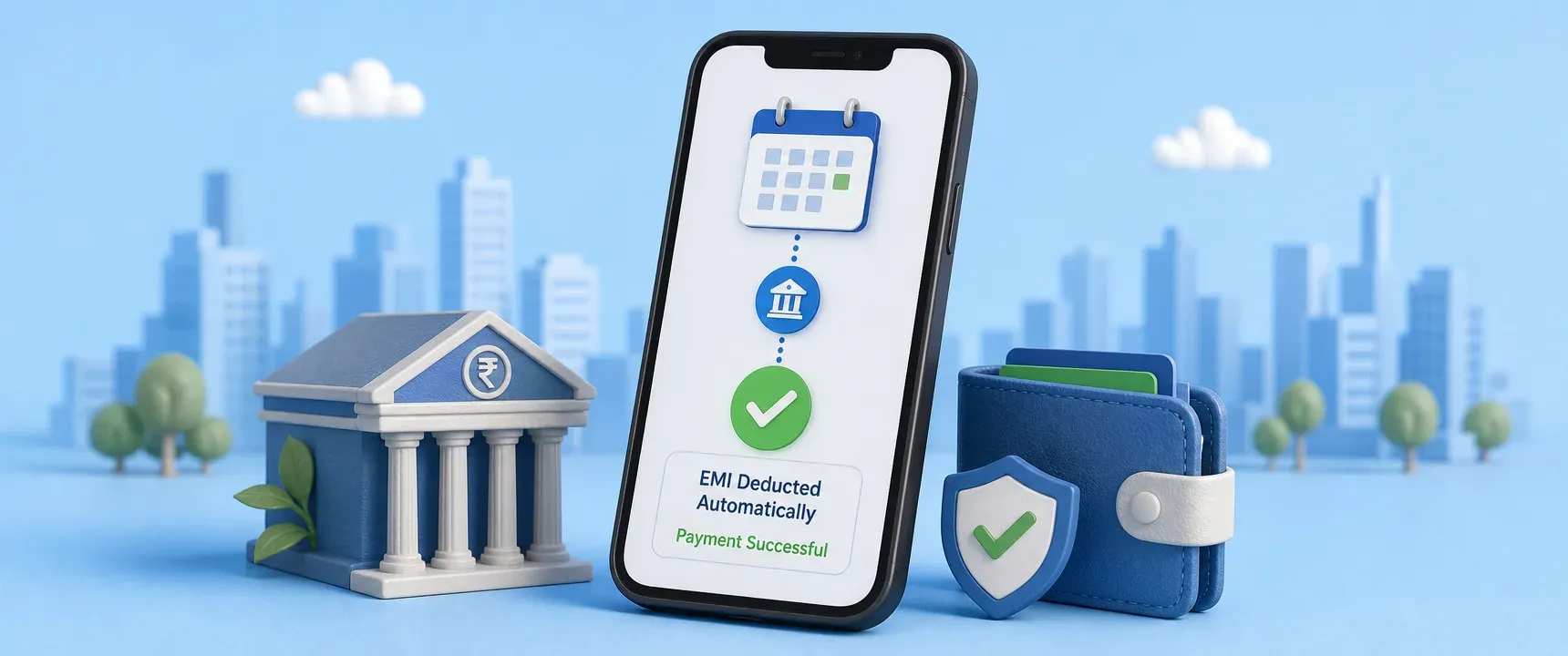
Table of content
What is autopay loan repayment and how does it work
What is autopay in loan repayment?
How does UPI autopay work?
Benefits and caution points
FAQs
Missing a loan EMI due date can hurt your credit score and trigger late fees. For first time digital borrowers in India, remembering payment dates adds unnecessary stress. mPokket supports autopay loan repayment so borrowers can automate their EMI deductions and focus on what matters instead of tracking calendars.
What is autopay loan repayment? - Autopay is a feature that automatically deducts your loan EMI from a linked bank account or UPI mandate on the scheduled due date. You authorize it once, and each payment happens without manual action.
How does autopay work with UPI? - Borrowers set up a UPI autopay mandate through their loan app. On each due date, the EMI amount is pulled directly from the linked bank account via UPI, removing the need to open a payment app each month.
Why use autopay for loan EMI? - Autopay helps borrowers avoid missed payments, protects their credit history, and saves time. It is especially useful for salaried employees, freshers, and gig workers who want a hands off repayment experience.
Follow our Whatsapp Community for more offers and updates.
Join nowAutopay loan repayment is an automatic deduction system. When you borrow through a digital lending platform like mPokket, you can authorize the lender to debit your EMI on a fixed date each month.
This authorization typically happens through a UPI autopay mandate, an eNACH registration, or a standing instruction on your debit card. Once set up, the process repeats every billing cycle without requiring you to log in or initiate a transfer.
The key distinction is control. You choose the payment method and authorize the mandate. The lender cannot change the amount or frequency beyond what you approved. If you want to cancel or modify the mandate, most apps let you do so from within the repayment section.
UPI autopay is one of the most common methods for automatic EMI repayment in India. Here is how it typically works on a platform like mPokket.
During the loan setup process, the app prompts you to create a UPI mandate. You select your UPI linked bank account, confirm the maximum debit amount, and approve the mandate through your UPI app using your UPI PIN.
On each EMI due date, the approved amount is debited from your bank account automatically. You receive a notification confirming the deduction. If the bank account has insufficient funds on the due date, the transaction can fail, and you may need to pay manually to avoid a late fee.
UPI autopay is governed by the National Payments Corporation of India (NPCI), which sets the rules for recurring mandates. This regulatory backing is designed to help ensure that the process remains secure and transparent for borrowers.
Autopay offers clear advantages for borrowers who prefer less manual effort. It can help you never miss a due date, which protects your credit profile over time. For first time borrowers building credit history, consistent on time repayment through autopay is especially valuable.
Salaried employees, freelancers, gig workers, and freshers all benefit from the convenience. You do not need to set monthly reminders or worry about forgetting a payment during a busy period.
However, autopay requires discipline around account balances. If your bank account does not have enough funds on the deduction date, the payment fails. Repeated failures can attract penalties and affect your repayment record. Before enabling autopay, confirm that your salary or income credits before the EMI due date.
You can typically cancel autopay at any time through the loan app or your UPI app. Cancelling does not cancel the loan itself. It simply means you switch to manual repayment for future EMIs. mPokket is designed to offer flexible repayment modes, including in app repayment and UPI payment, so borrowers retain control over how they pay.
Autopay loan repayment through platforms like mPokket combines repayment convenience with digital transparency. If you are a first time borrower or someone who values a low friction repayment experience, enabling autopay can help simplify your loan management. Just ensure your linked account stays funded before each due date, and review your mandate details periodically to stay in control.
Autopay is a feature where your loan EMI is automatically deducted from your linked bank account on the due date. You authorize it once during loan setup, and each payment happens without manual action.
Yes. Most digital lending apps, including mPokket, allow you to cancel or modify your autopay mandate from within the app. Cancelling autopay does not cancel the loan; you simply switch to manual repayment.
UPI autopay mandates are regulated by the National Payments Corporation of India (NPCI). Each mandate requires your explicit approval via UPI PIN, and the lender cannot debit beyond the authorized amount.
How digital lending works in India step by step
5 min read • 10 September 2026
How to Choose the Right Urgent Personal Loan During Financial Emergencies
4 min read • 10 August 2026
What Are the Eligibility Requirements for an Instant Rs. 1000 Loan?
3 min read • 5 June 2026
How Self-Employed Individuals Should Compare Loan Apps: A 2026 Guide
2 min read • 13 May 2026