3 mins min read • 13 November 2026


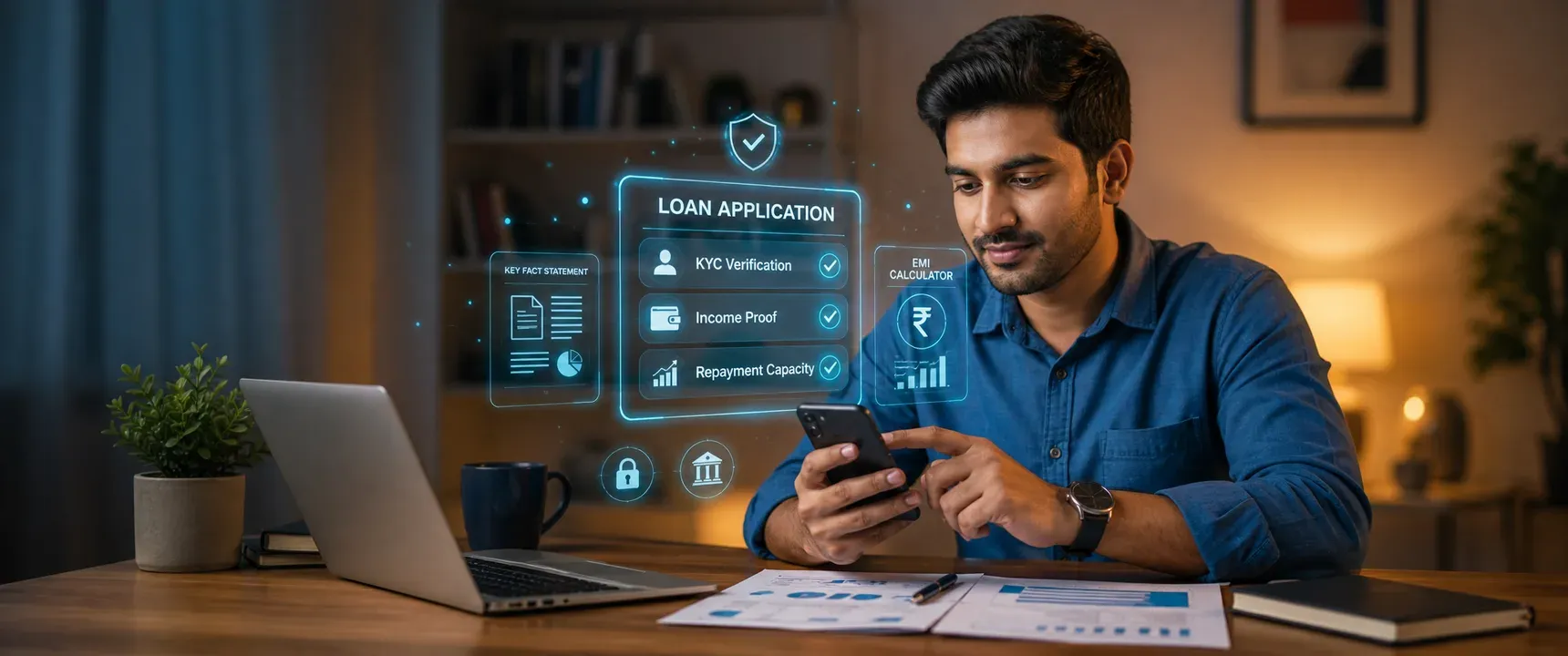
Table of content
Overview
1. Submitting incomplete KYC
2. Ignoring repayment affordability
3. Skipping the Key Fact Statement
4. Choosing unverified loan apps
5. Applying to many lenders at once
6. Providing inaccurate income proof
7. Ignoring repayment setup
FAQs
Collateral free loans remove one of the biggest barriers to credit in India, but the application process itself can trip you up. Borrowers who skip basic preparation often face rejections, unfavorable terms, or repayment stress that could have been avoided. mPokket, a digital lending platform designed for quick unsecured loans, encourages applicants to borrow responsibly by understanding common pitfalls before they apply.
Follow our Whatsapp Community for more offers and updates.
Join nowDigital lenders verify identity through Aadhaar, PAN, and a verified bank account. Uploading blurry documents, mismatched names, or expired IDs triggers instant rejection. OTP based verification fails when your mobile number is not linked to your Aadhaar.
Fix: Before you apply, confirm that your Aadhaar and PAN details match exactly. Link your current mobile number to Aadhaar through UIDAI. Use clear, legible scans or photos for every document upload.
Many first time borrowers request the maximum available amount without checking whether the EMI fits their monthly budget. Overcommitting leads to missed payments, penalty charges, and a damaged credit profile.
Fix: Use a personal loan EMI calculator to estimate your monthly instalment before applying. A common guideline is to keep total EMI obligations below 30 to 40 percent of your monthly income. mPokket is designed to help borrowers choose tenure and amount combinations that align with their cash flow.
RBI mandates that digital lenders provide a Key Fact Statement (KFS) before loan disbursal. This document lists the interest rate, processing fees, total repayment amount, and penalty terms. Borrowers who skip reading it often discover hidden costs only after the loan is active.
Fix: Read the KFS line by line. Compare the annual percentage rate, not just the headline interest rate. Confirm that the total repayment figure matches what you expect. If any charge looks unclear, ask the lender before accepting.
India's digital lending space includes both RBI compliant platforms and fraudulent apps that misuse personal data. Applying through an unverified app can expose your Aadhaar, PAN, and bank details to misuse. Some unregistered apps charge exploitative interest rates or use aggressive recovery practices.
Fix: Verify that the lending app partners with an RBI registered NBFC or bank. Check the app's listing on official app stores for reviews and regulatory disclosures. mPokket operates as a regulated digital lending platform, which means borrowers can confirm its compliance status before sharing personal information.
Each loan application can trigger a hard inquiry on your credit report. Multiple inquiries in a short period signal desperation to lenders and can lower your credit score. This is especially risky for first time borrowers who are still building credit history.
Fix: Research eligibility criteria before applying. Narrow your choices to one or two lenders whose requirements you clearly meet. Platforms like mPokket that use alternative data assessment can help borrowers with limited credit history get evaluated without repeated hard inquiries elsewhere.
Self employed applicants, freelancers, and gig workers sometimes submit inconsistent income documents. Bank statements that do not match declared earnings, or missing invoices, raise red flags during underwriting.
Fix: Gather at least three months of bank statements showing regular deposits. Freelancers should keep client invoices or GST returns organized. Salaried applicants should ensure their salary slips match the credits in their bank account. Consistent, verifiable income proof strengthens any collateral free loan application.
Borrowers who plan to repay manually each month often miss due dates. A single missed EMI can attract penalties and hurt your credit profile. Many applicants overlook autopay or UPI repayment options that digital lenders offer.
Fix: Set up autopay or enable UPI based EMI repayment as soon as the loan is disbursed. mPokket offers in app repayment options, including autopay, that can help borrowers avoid missed due dates. Confirm that your linked bank account maintains sufficient balance before each EMI date.
Avoiding these seven mistakes does not guarantee approval, but it significantly improves your chances and protects you from unnecessary financial stress. Collateral free loans from regulated platforms like mPokket are designed to be accessible, but responsible preparation on the borrower's side is what makes the experience smooth. Before you apply, complete your KYC, calculate your EMI, read the Key Fact Statement, and choose a verified lender.
Yes. Digital lenders like mPokket offer unsecured personal loans that do not require property, gold, or any asset as security. Eligibility is based on KYC verification, income proof, and repayment capacity.
Regulated digital lending platforms can process collateral free personal loans within minutes. mPokket is designed to approve and disburse loans quickly after completing paperless KYC and eligibility checks.
Most digital lenders require a valid Aadhaar card, PAN card, a verified bank account, and proof of income such as salary slips or bank statements. Some platforms also accept alternative income proof for self employed or gig worker applicants.
How Can Self-Employed Individuals in Trivandrum Use Loans to Handle Income Fluctuations?
3 min read • 21 April 2026
The Complete Guide to Collateral-Free Business Loans
3 min read • 29 July 2026
The growing role of alternative borrower signals in India's digital credit market
3 mins min read • 20 September 2026
