3 mins min read • 27 November 2026


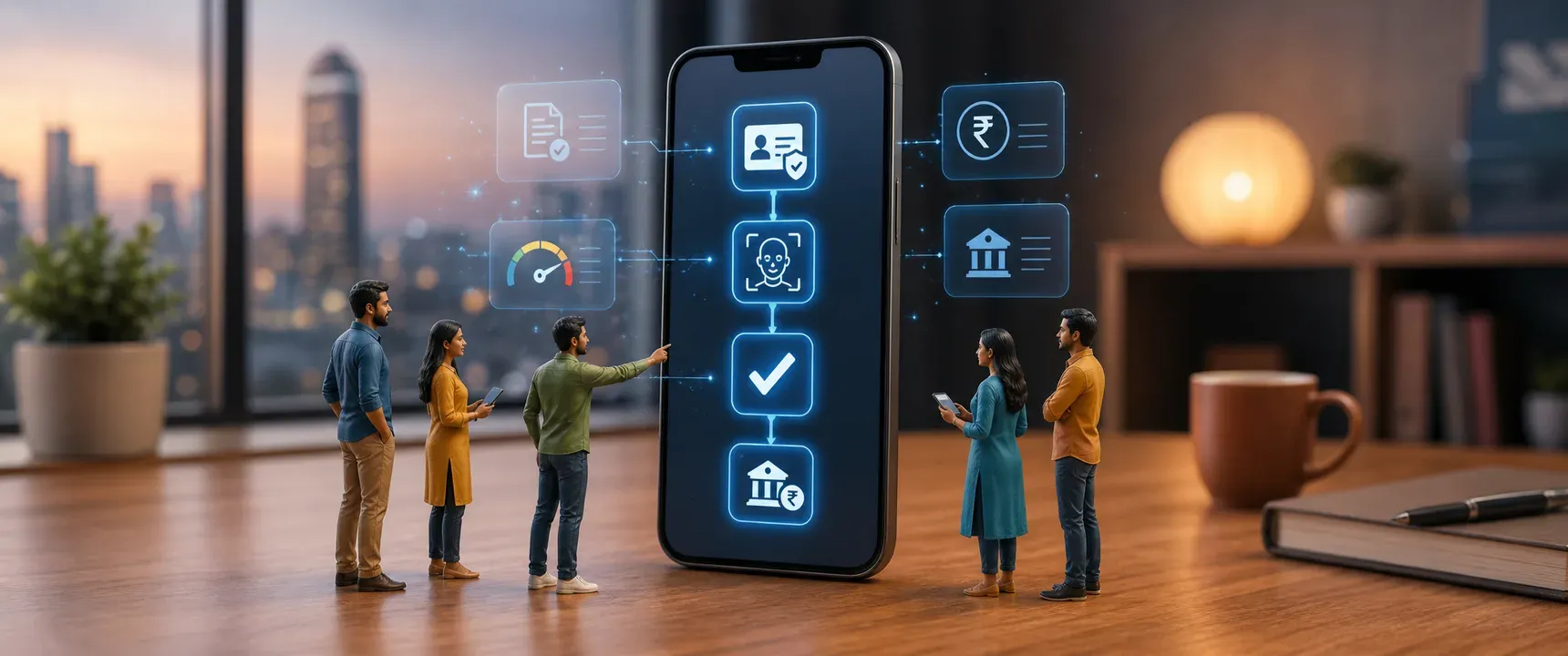
Table of content
How instant personal loans work in India, step by step
What is an instant personal loan?
How does the application work?
How does underwriting decide approval?
What happens after approval?
How does repayment work?
Who can apply?
FAQs
You found a loan app promising funds in minutes. Before you tap "apply," you want to know what actually happens between submitting your details and seeing money in your bank account. That curiosity is healthy. mPokket believes every borrower deserves a clear view of the machinery behind instant personal loans in India, so you can make confident decisions rather than anxious ones.
Follow our Whatsapp Community for more offers and updates.
Join nowAn instant personal loan is a short term, unsecured borrowing product delivered through a digital platform. "Instant" refers to the speed of processing, not the absence of checks. Legitimate lenders still verify identity, assess repayment capacity, and comply with regulatory guidelines.
In India, platforms like mPokket offer instant personal loans that are 100 percent online. There is no branch visit, no physical paperwork, and no collateral requirement. The entire journey, from application to disbursal, happens inside a mobile app.
These loans typically serve borrowers who need smaller amounts quickly: salaried employees facing a month end cash crunch, freshers managing first job expenses, self employed professionals bridging a cash flow gap, or housewives handling an unexpected household cost.
The process begins when a borrower downloads a loan app and creates a profile. On mPokket, this involves entering basic personal details and completing mobile number registration with OTP based verification.
Next comes document upload. The borrower submits a PAN card, Aadhaar card, and a selfie. Some platforms also request proof of occupation or income, such as a salary slip, bank statement, or college ID for students and interns. mPokket keeps this step paperless and minimal.
Profile completion triggers the next stage: digital KYC. The platform verifies the borrower's identity by cross referencing Aadhaar and PAN details with government databases. This OTP based digital KYC replaces the in person verification that traditional banks require, which is why the process can move from application to verification in minutes rather than days.
Underwriting is the step most borrowers never see, yet it determines whether a loan is approved and at what terms. Traditional banks rely heavily on CIBIL scores and lengthy manual reviews. Digital lenders like mPokket use technology to make this faster and, in many cases, more inclusive.
Algorithm driven credit assessment evaluates multiple signals. These can include the borrower's stated income, employment type, bank account activity, and repayment behavior on previous loans. For first time borrowers or those without a formal credit score, some platforms use alternative data assessment, looking at factors like income stability patterns rather than requiring a perfect CIBIL cutoff.
The system then generates a credit limit and interest rate tailored to the borrower's profile. A Key Fact Statement, as recommended by RBI digital lending guidelines, discloses the principal amount, interest rate, loan tenure, total repayment, and any applicable charges before the borrower accepts. This transparency step is critical: it ensures the borrower understands the cost before committing.
Once the borrower reviews and accepts the loan terms, disbursal begins. The approved amount is transferred directly to the borrower's verified bank account. On platforms designed for speed, like mPokket, this direct bank transfer can happen quickly, often the same day the application is completed.
The borrower receives confirmation of the transfer along with a repayment schedule. This schedule outlines the EMI amount, due dates, and total interest. Some platforms also provide an in app EMI calculator so borrowers can model different tenure options before accepting.
Repayment flexibility is a defining feature of modern instant personal loans. Borrowers on platforms like mPokket can typically choose between EMI repayment spread across months or lump sum repayment. Payment methods include UPI, debit card, and autopay mandates that deduct the EMI automatically on the due date.
Autopay is particularly useful for borrowers who want to avoid missed payments. Setting up an autopay mandate means the platform debits the EMI from the linked bank account on schedule, reducing the risk of late fees and helping maintain a healthy repayment record.
Timely repayment also builds credit history. For first time borrowers, students, freshers, or housewives who are new to formal credit, disciplined repayment on a small instant loan can be a practical way to establish a credit profile for future borrowing needs.
Eligibility for instant personal loans in India varies by platform, but common requirements include Indian nationality, age of 18 or above, a valid Aadhaar and PAN card, and a verified bank account. mPokket is designed to serve a broad range of borrowers, including salaried employees, self employed professionals, freshers, interns, gig workers, freelancers, and housewives.
Borrowers without a traditional credit history are not automatically excluded. Platforms that use alternative assessment methods can evaluate repayment capacity through bank statements, income patterns, or other non traditional documentation, making instant personal loans accessible to segments that traditional banks often overlook.
Before applying, borrowers should confirm that the loan app is registered with the RBI or operates through an RBI regulated partner. Checking for transparent disclosure of charges, a clear grievance redressal process, and secure handling of Aadhaar and PAN data are essential steps to ensure the platform is legitimate.
Instant personal loans in India work because digital infrastructure, from Aadhaar based KYC to UPI based repayment, has matured enough to support fast, paperless, and transparent lending. Platforms like mPokket leverage this infrastructure to deliver a borrowing experience that is designed to be quick, minimal on documentation, and clear on terms. Understanding each step of the process, from application through disbursal to repayment, puts you in control of your borrowing decision.
Loan apps use digital KYC with Aadhaar and PAN, automated credit assessment algorithms, and direct bank transfer to process applications in minutes. Platforms like mPokket eliminate branch visits and paper documents, which is why the entire journey from application to disbursal can happen the same day.
An instant personal loan is an unsecured, collateral free loan processed digitally. It is designed for quick approval and disbursal, typically through a mobile app. mPokket offers instant personal loans with paperless documentation and flexible repayment options for borrowers across India.
Some digital lenders, including mPokket, can use alternative data assessment to evaluate borrowers who lack a formal credit score. Factors like bank account activity and income stability may be considered, making loans accessible to first time borrowers, freshers, and others new to formal credit.
After approval, the loan amount is transferred directly to the borrower's verified bank account. On platforms like mPokket, this direct bank transfer is designed to happen quickly, often within the same day, without requiring any branch visit.
Best practices for using a personal loan EMI calculator before you apply
4 mins min read • 14 October 2026
Best practices for enabling autopay without missing account balance realities
4 mins min read • 25 September 2026
How digital KYC works in a personal loan app in India
3 mins min read • 6 October 2026
5 Ways Paperless Loan Applications Simplify Loan Access
4 min read • 7 May 2026
How First-Time Borrowers Can Build Credit History in India (Step-by-Step Guide)
5 min read • 6 May 2026