4 mins min read • 27 October 2026


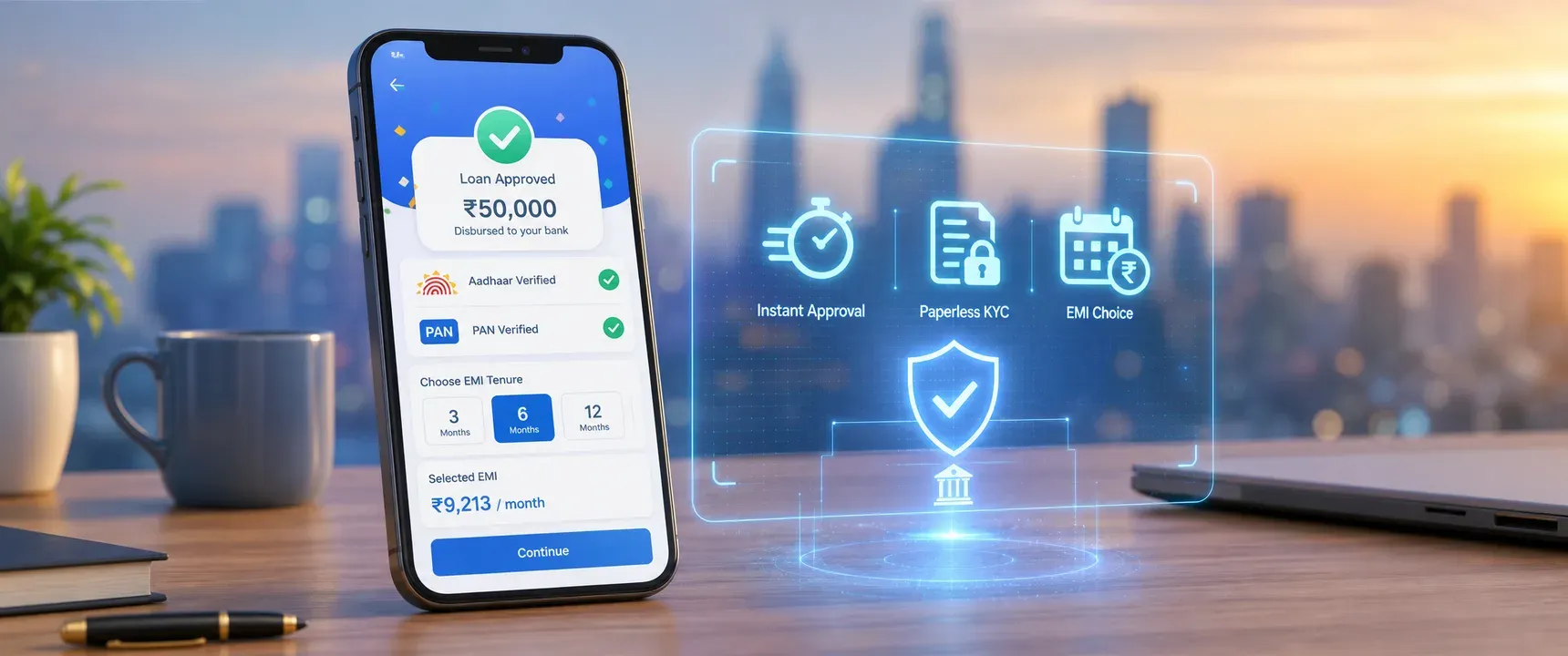
Table of content
Summary
How borrower expectations evolved
Instant approval is the entry ticket
Paperless KYC removes the last barrier
EMI choice completes the experience
Why these three form one standard
What this means for borrowers
FAQs
What changed in borrower expectations? - Indian borrowers now expect instant approval, paperless KYC, and flexible EMI options as standard features in any loan app. These were premium differentiators until recently; today they form the minimum acceptable experience.
Why do these three features matter together? - Speed without simple documentation creates friction. Easy onboarding without repayment flexibility causes defaults. mPokket and similar platforms succeed because they connect all three into a single seamless journey, from application to disbursal to repayment.
What documents are required for an instant personal loan? - Most paperless loan apps, including mPokket, require only Aadhaar and PAN for digital KYC. OTP based verification replaces physical document submission, enabling approval in minutes without a branch visit.
How does EMI choice reshape borrower behavior? - When borrowers can select their tenure and EMI amount, they align repayment with their actual cash flow. This reduces missed payments and builds healthier credit histories, especially for first time borrowers, gig workers, and salaried professionals before payday.
Which loan apps reflect this new standard? - Apps that combine OTP based Aadhaar PAN verification, approval within minutes, direct bank transfer, and customizable EMI schedules now define the category. mPokket is designed to deliver this connected experience on a mobile first platform.
Follow our Whatsapp Community for more offers and updates.
Join nowIndia's digital lending market has matured faster than most observers predicted. Early adopters tolerated clunky interfaces and multi day approvals because the alternative was a bank branch queue. That tolerance has evaporated.
Several forces drove this shift. Smartphone penetration crossed 800 million connections. UPI normalized instant money movement. And a wave of fintech platforms proved that loan disbursal could happen in minutes, not days. Once borrowers experienced that speed, they refused to go back.
The result is a new expectation set that operates as a package. Borrowers do not evaluate speed, documentation, and repayment flexibility in isolation. They judge the entire journey. A loan app that approves instantly but demands physical documents fails. One that is paperless but locks borrowers into rigid EMI schedules loses to competitors that offer choice. mPokket recognized this connected expectation early and built its product around it.
Approval speed is no longer a competitive advantage. It is the entry ticket. Borrowers searching for terms like "which loan app gives instant approval" or "instant personal loan" expect a decision within minutes of submitting their application.
What makes instant approval possible is a combination of digital identity verification, automated credit assessment, and pre built decision engines. Platforms like mPokket use OTP based Aadhaar verification and PAN validation to confirm identity in seconds. Credit assessment can rely on alternative data, including bank statement patterns and repayment history, rather than waiting for a traditional bureau score.
For first time borrowers, freshers, and gig workers who may lack a formal credit history, this approach is transformative. It means access to credit without the gatekeeping that traditional lenders impose. The RBI's digital lending guidelines reinforce this direction by mandating transparency and borrower protection within fully digital journeys.
The question "what documents are required for an instant personal loan" now has a remarkably short answer. On most leading platforms, including mPokket, borrowers need only their Aadhaar card and PAN card. Digital KYC through OTP verification replaces the need for physical photocopies, notarized documents, or in person visits.
This matters because documentation complexity was historically the biggest drop off point in loan applications. Borrowers who were eager to apply abandoned the process when asked to upload salary slips, utility bills, or employer letters. Paperless KYC eliminates that friction entirely.
The shift also expands the eligible borrower pool significantly. Housewives, self employed professionals, freelancers, and interns can now complete verification with documents they already possess. A housewife starting a tiffin service from home does not need an employer letter. A freelance designer does not need a salary slip. Aadhaar and PAN, combined with a verified bank account, are sufficient for platforms built on digital first principles.
| Expectation | Traditional lending | Current digital standard |
|---|---|---|
| Approval speed | 3 to 7 business days | Minutes (often under 10) |
| KYC documents | Multiple physical documents | Aadhaar and PAN via OTP |
| Branch visit required | Yes, often multiple visits | No branch visit needed |
| EMI flexibility | Fixed tenure, limited options | Borrower selects tenure and EMI |
| Disbursal method | Cheque or delayed transfer | Direct bank transfer, same day |
| Repayment channels | Post dated cheques, NACH | UPI, autopay, in app payment |
Speed and simplicity get borrowers through the door. EMI choice keeps them from defaulting. When a borrower can select their repayment tenure and monthly instalment amount, they match their loan to their actual income cycle rather than conforming to a lender's rigid schedule.
This is especially critical for borrowers with variable income. A delivery partner whose earnings fluctuate weekly needs different repayment flexibility than a salaried professional with a fixed monthly paycheck. mPokket's approach to flexible repayment design addresses this by letting borrowers choose EMI structures that align with their cash flow.
EMI choice also reduces the anxiety that drives borrowers away from formal credit. When someone knows they can pick a tenure that results in a comfortable monthly payment, they are more likely to borrow responsibly and repay on time. This creates a positive cycle: on time repayment builds credit history, which improves future borrowing terms.
Autopay options through UPI or bank account deduction add another layer of convenience. Borrowers who set up autopay for their EMI can avoid missed due dates entirely, which protects their credit profile and eliminates late payment stress.
The critical insight for the digital lending industry is that instant approval, paperless KYC, and EMI choice are not three separate features. They are one integrated expectation. Borrowers experience them as a single journey, and any break in that chain creates dissatisfaction.
Consider a borrower who gets approved in five minutes but then has to wait three days for funds because the platform requires manual document verification. Or a borrower who completes paperless KYC effortlessly but discovers they cannot choose their EMI tenure. In both cases, the experience feels incomplete.
mPokket's mobile first platform is designed to deliver all three elements without gaps. From app download to KYC completion to approval to disbursal to repayment setup, the entire process stays digital, fast, and borrower controlled. This connected design is what separates platforms that retain users from those that see high uninstall rates.
For anyone evaluating loan apps today, these three features should be the starting checklist, not the aspiration list. Before comparing interest rates or loan amounts, verify that the platform offers genuine instant approval (not "fast" approval that takes a day), truly paperless KYC (not "minimal" documentation that still requires uploads beyond Aadhaar and PAN), and real EMI choice (not a single fixed tenure with no flexibility).
Borrowers who are new to credit, whether freshers entering their first job, housewives exploring financial independence, or gig workers building a repayment track record, benefit most from this new standard. Platforms like mPokket that combine these elements with transparent loan terms and direct bank transfer disbursal can help borrowers access credit responsibly and build financial confidence over time.
The digital lending landscape in India continues to evolve rapidly. What was exceptional in 2024 is ordinary in 2026. Borrowers who understand this shift can make better choices, and lenders who internalize it can build products that genuinely serve their users rather than frustrating them.
Most paperless loan apps, including mPokket, require only Aadhaar and PAN card for digital KYC. OTP based verification replaces physical documents, enabling approval in minutes without visiting a branch or submitting salary slips.
Yes. Digital lenders like mPokket use Aadhaar and PAN for OTP based identity verification. These two documents are typically sufficient for completing paperless KYC and receiving a loan decision within minutes on mobile first platforms.
Loan apps that combine automated credit assessment with digital KYC can offer approval in minutes. mPokket is designed to provide instant approval through its mobile first platform, with direct bank transfer disbursal and flexible EMI repayment options.
The best paperless loan apps offer OTP based Aadhaar PAN verification, approval within minutes, direct bank transfer, and customizable EMI schedules. mPokket is designed to deliver this connected experience without requiring branch visits or physical document submission.
EMI choice lets borrowers select a tenure and monthly instalment that fits their income cycle. This alignment reduces missed payments and builds credit history. Features like autopay through UPI or bank deduction, available on platforms like mPokket, add further convenience.
Need ₹10,000 Urgent Loan Today — What Should You Do To Get It Fast?
4 min read • 30 April 2026
Flexi Personal Loan vs. Personal Loan: Which One Should You Choose?
4 min read • 13 August 2026
5 Reasons Your Business Needs a Working Capital Loan
4 min read • 28 July 2026
How to Choose the Right Digital Lending Platform: A Comparison Guide for 2026
4 min read • 12 May 2026
