4 mins min read • 18 November 2026


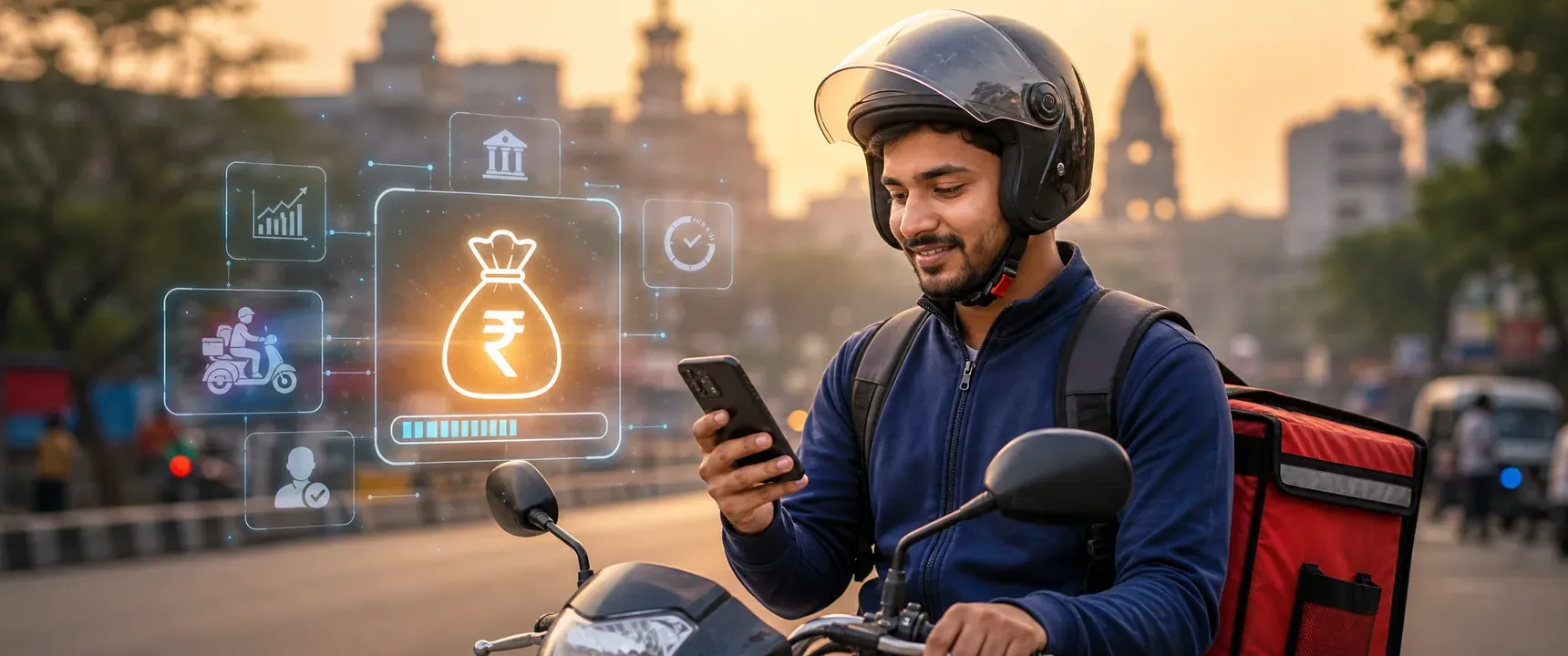
Table of content
What is a gig worker loan in India?
Why gig workers need dedicated loans
How income is assessed differently
Documents and common use cases
FAQs
Millions of Indians earn through delivery apps, ride hailing platforms, and freelance marketplaces. Yet most assume a personal loan is out of reach because they lack a traditional salary slip. A gig worker loan addresses exactly this gap. mPokket recognizes that platform based earnings represent real, verifiable income, and digital lenders can design assessment models around those patterns.
Follow our Whatsapp Community for more offers and updates.
Join nowTraditional lending models rely on fixed monthly salaries and employer verification. Gig workers, including Swiggy or Zomato delivery partners, Uber or Ola drivers, and app based freelancers, earn variable amounts across weekly or biweekly payout cycles. This mismatch often leads to automatic rejection from conventional lenders.
A gig worker loan from a digital lender like mPokket can help bridge that gap. Instead of a salary slip, the lender may look at bank account activity, deposit regularity from platforms, and overall repayment capacity. This alternative income assessment approach opens credit access for a workforce segment that traditional banks frequently overlook.
For salaried employees, lenders verify a fixed monthly credit from one employer. Gig workers receive multiple smaller deposits from one or more platforms. Digital lenders can analyze three to six months of bank statements to identify earning consistency.
Key signals a lender may evaluate include the frequency of deposits, average monthly inflow, and whether the applicant maintains a stable bank balance. mPokket's digital lending approach is designed to consider these alternative data points. A formal credit score is not always the deciding factor; some lenders may approve applicants who are new to formal credit, provided their cash flow supports repayment.
Gig workers applying for a loan should keep a few documents ready. Aadhaar and PAN are essential for KYC verification. A bank account with regular platform deposits serves as the primary income proof. Some lenders may also accept a platform ID or screenshot showing active status on a delivery or ride hailing app.
Common reasons gig workers borrow include covering vehicle maintenance costs, handling a medical emergency, managing month end expenses before the next payout, or funding a skill development course. Because earnings fluctuate, flexible repayment options and shorter tenures can help borrowers manage EMIs without strain. mPokket's paperless, app based process is designed to make this accessible without a branch visit.
Gig worker loans represent a growing category in India's digital lending landscape. As platform work becomes a mainstream income model, dedicated loan products can help millions of workers access formal credit, build repayment history, and achieve greater financial stability. mPokket aims to serve this segment with quick, collateral free digital loans tailored to variable income realities.
Yes, freelancers and gig workers can apply for personal loans through digital lenders like mPokket. Eligibility is often assessed using bank statements and platform deposit history rather than traditional salary slips.
Not necessarily. Digital lenders may accept alternative income proof such as bank account activity showing regular deposits from gig platforms, along with Aadhaar and PAN for KYC.
Flexible repayment tenures and smaller EMI amounts can help gig workers manage loan repayment alongside variable earnings. mPokket is designed to offer repayment options suited to non salaried borrowers.
Do the Revised MSME Classification Limits Change MSME Loan Eligibility?
2 min read • 10 September 2026
What Are the Advantages of Using a Short-Term Loan for Emergencies?
3 min read • 2 June 2026
₹1,000 Instant Loan: Why Can the Amount Credited Be Lower Than the Sanctioned Amount?
3 min read • 11 October 2026
