3 mins min read • 9 November 2026


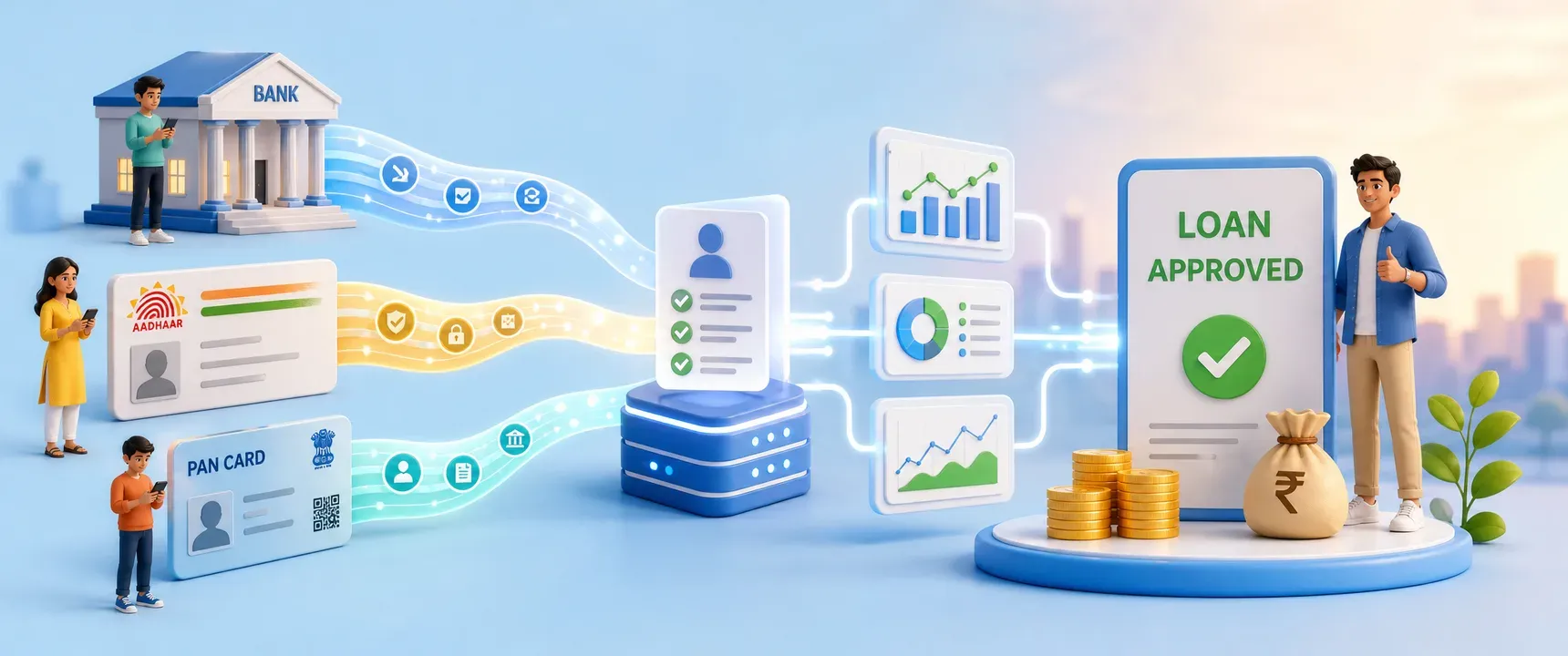
Table of content
Summary
Why scores exclude real borrowers
What mPokket assesses instead
Who benefits from this approach
Fairness without recklessness
FAQs
Millions of Indians hear the same advice before applying for a loan: check your credit score first. For freshers, homemakers, gig workers, and self-employed professionals, that advice often feels like a closed door. mPokket takes a different approach to borrower assessment, one that looks beyond a single number to understand whether someone can genuinely repay.
Follow our Whatsapp Community for more offers and updates.
Join nowTraditional credit scores rely on past borrowing and repayment records. Someone who has never taken a formal loan, such as a recent graduate or a homemaker, simply has no data to score. That does not mean they lack financial discipline.
A freelancer who receives regular client payments into a bank account demonstrates income stability. A salaried employee on a first job shows consistent salary credits. These patterns matter, but a conventional score ignores them entirely.
In India, a large portion of the working population falls into this thin file category. They earn, they save, they spend responsibly. Yet traditional lenders treat them as high risk because the scoring model has nothing to measure.
mPokket uses alternative data assessment to evaluate borrowers on signals that reflect actual financial behavior. This is not about skipping due diligence. It is about applying diligence to the right inputs.
Bank account activity is one key signal. Regular deposits, whether from salary, freelance invoices, or gig platform payouts, indicate income stability. The pattern of inflows and outflows reveals spending discipline more accurately than a static score.
Income consistency matters as well. mPokket looks at whether a borrower's earnings follow a predictable rhythm, even if the amounts vary month to month. A delivery partner who earns variable amounts weekly still shows a pattern that can support repayment.
Digital identity verification through Aadhaar and PAN confirms the borrower's identity without requiring a branch visit. This OTP based digital KYC process is designed to be paperless and fast, reducing friction for applicants who may not have traditional documentation like salary slips or ITR filings.
Proof of occupation and income, such as bank statements or client invoices, rounds out the picture. Together, these inputs let mPokket assess repayment capacity without reducing a person to a three digit number.
First time borrowers gain the most. A fresher joining a new job can show salary credits in a bank account even without any prior credit history. mPokket can evaluate that income stream and extend a loan that helps cover month end expenses or upskilling costs.
Self-employed professionals, including freelancers, cab drivers, and small business owners, benefit because their income proof looks different from a salaried employee's payslip. Bank deposits from clients, GST returns, or platform earnings all serve as valid signals in mPokket's assessment.
Housewives and homemakers who run small ventures, such as a tiffin service or stitching business, often have no formal income documentation. mPokket's alternative assessment can help evaluate their repayment ability based on bank activity and occupation proof rather than demanding a salary slip they do not have.
Interns with stipend income also fall into this group. Their earnings may be modest, but consistent stipend deposits into a verified bank account can support a small loan for emergency expenses or career related needs.
Using alternative data does not mean lending without caution. mPokket's approach is designed to assess repayment capacity, not to approve every application regardless of risk. The goal is inclusive underwriting, not indiscriminate lending.
Every borrower still goes through digital KYC verification. Income patterns are evaluated for sustainability, not just existence. A single large deposit does not substitute for consistent financial behavior over time.
This matters because responsible lending protects borrowers as much as it protects the lender. Approving a loan someone cannot repay creates debt stress, not financial inclusion. mPokket's alternative data model is designed to help ensure that access and affordability go together.
Borrowers who repay on time through mPokket also begin building a formal credit history. That first loan, responsibly managed, can open doors to larger credit in the future. Alternative assessment becomes a bridge, not a permanent workaround.
For anyone wondering whether a loan is possible without a credit score, the answer from mPokket is clear. What matters is not the score you start with, but the financial behavior you can demonstrate. Bank activity, income patterns, and verified identity together form a more complete, fairer basis for lending decisions in India.
mPokket is designed to help borrowers without a formal credit score by using alternative data assessment. It evaluates bank account activity, income patterns, and digital KYC through Aadhaar and PAN to determine repayment capacity.
Yes. mPokket assesses alternative signals like salary credits, freelance income deposits, and occupation proof instead of requiring an established credit history. This approach can help freshers, gig workers, and homemakers access loans.
Apps like mPokket use digital KYC with Aadhaar and PAN, bank statement analysis, and income pattern evaluation. These alternative data points can help assess repayment ability quickly without relying on a traditional CIBIL score.
mPokket evaluates bank account transaction patterns, income consistency from salary or freelance payments, OTP based Aadhaar and PAN verification, and proof of occupation. These signals together help assess a borrower's repayment capacity.
What does no credit score mean in a digital loan app
2 mins min read • 20 September 2026
How Digital Lending Helps Students in India
4 min read • 6 May 2026
How to Choose the Right Digital Lending Platform: A Comparison Guide for 2026
4 min read • 12 May 2026
How First-Time Borrowers Can Build Credit History in India (Step-by-Step Guide)
5 min read • 6 May 2026
