3 mins min read • 20 September 2026


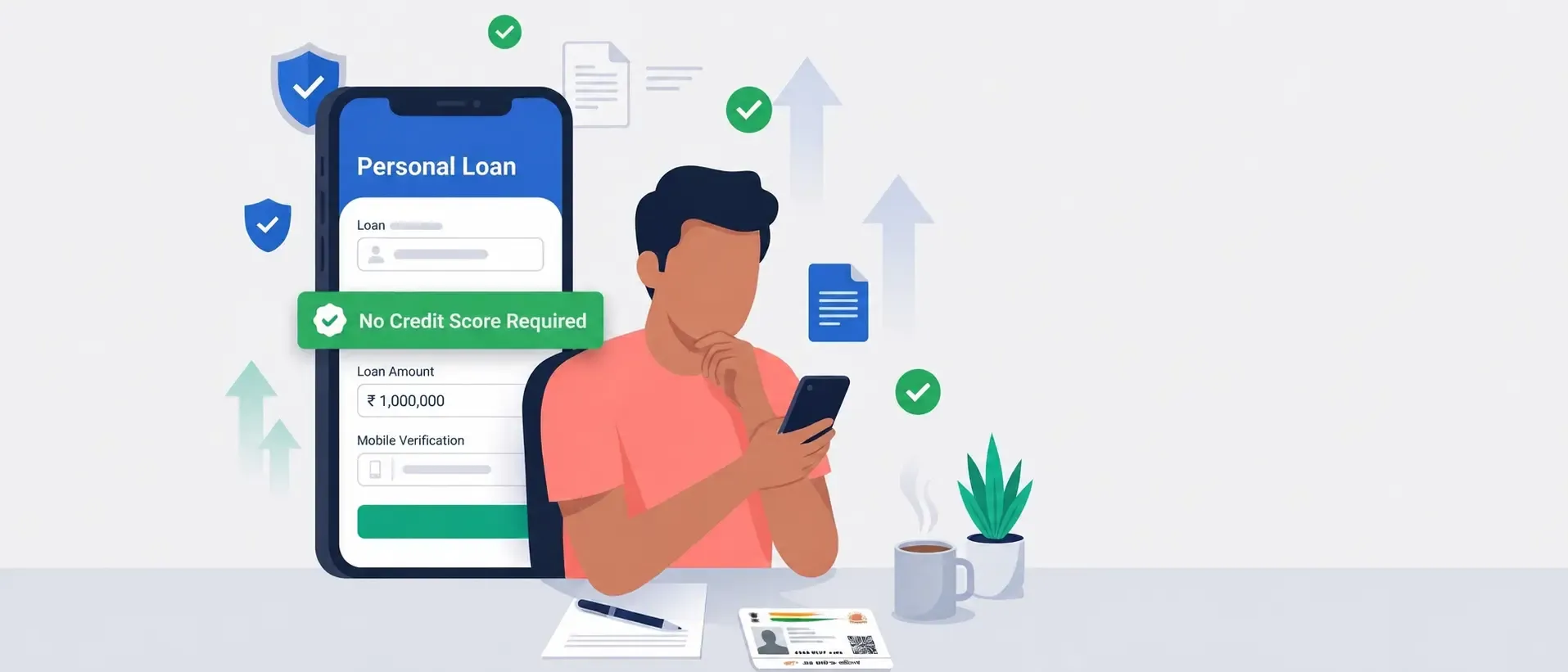
Table of content
Overview
What this means
How mPokket serves first time borrowers
What verification matters
What responsible borrowing looks like
FAQs
If you are new to formal borrowing, the hardest part is often not the need for money, but the fear that no past credit record means an automatic rejection. mPokket addresses that concern by explaining how digital lending can still be accessible to some first time borrowers in India, even when they have limited or no prior credit history, subject to verification, eligibility checks, and responsible repayment.
Follow our Whatsapp Community for more offers and updates.
Join nowFor many borrowers, search results for loan without credit history or loan without credit score create confusion. Some answers suggest a flat no. Others push broad lender lists with little context. mPokket’s position is narrower and more useful: no prior credit history does not always prevent access, but the borrower still has to pass digital verification and meet the platform’s requirements.
That distinction matters because a first loan is different from a repeat loan. When someone has never used formal credit, there may be no score to review or only a thin file with limited data. In that situation, the lending decision can depend more on the borrower’s verified identity, application details, and ability to handle repayment than on a long borrowing record.
This is one reason the topic matters for students, freshers, and dependent household members. They may have a real short term need, such as a month end cash gap, a course fee, a medical bill, or a household expense, but no meaningful credit footprint yet. mPokket speaks to that gap directly instead of treating it as unusual.
mPokket serves borrowers with limited or no prior credit history through a mobile first digital lending process. The key point is not that credit history becomes irrelevant. The key point is that a missing history does not always end the journey before it starts.
In practical terms, this means the borrower can begin with a paperless application and complete basic steps that help establish trust and eligibility. Based on the brief for this article, those checks may include mobile number registration, digital KYC, PAN and Aadhaar verification, OTP based confirmation, profile completion, bank account verification, and proof of occupation or income where needed.
For a first time borrower, that process can feel more realistic than a model that expects a long past record. It gives the platform a way to review the applicant through current, verified information. It also gives the borrower a formal route instead of forcing them toward informal borrowing.
This approach is especially relevant for people who are new to credit but not new to financial responsibility. A fresher may have just started earning. An intern may receive a stipend. A student may need a small, time bound amount. A working person may have regular inflows but no established score. In these cases, a digital lender can look beyond the simple question of whether a score already exists.
mPokket’s message here is careful, which is a good sign. It is not presented as credit for everyone. It is presented as access for borrowers who can complete the required checks and who fit the platform’s lending criteria. That is the right framing for responsible digital lending.
When people ask, can I get a loan without credit history in India, they often mean, what will the lender use instead. The answer usually begins with verification. Before any formal digital loan is disbursed, the platform needs confidence that the applicant is real, reachable, and capable of handling the repayment obligation.
That is why digital KYC matters so much in this journey. PAN and Aadhaar help support identity verification. OTP based checks confirm access to the registered mobile number. Verified bank account details help make disbursal possible. Profile completion and document upload help fill gaps that an absent credit file cannot explain.
Where relevant, proof of occupation and income can also matter. For some borrowers, that could mean salary related information. For others, it could mean a stipend, work profile, or another accepted form of current financial proof. The point is not to create a long branch style process. The point is to replace missing past credit data with usable present day verification.
This is also why borrowers should slow down before applying anywhere. If a platform claims to offer a loan without credit score, the right question is not only whether a score is required. The better question is what checks still apply. With mPokket, the answer is clear: identity, profile, banking, and repayment readiness still matter.
That clarity helps first time borrowers make better decisions. It reduces the false hope that no score means no scrutiny. It also reduces the fear that no score means automatic denial. The real standard sits in the middle, which is a structured digital review.
Access is only half of the story. The other half is whether the borrower can use that access well. mPokket’s inclusive positioning works best when paired with clear expectations about disciplined borrowing and repayment.
For a first loan, the safest mindset is to borrow for a defined need, keep the amount reasonable, and understand the full repayment schedule before accepting funds. That includes checking the tenure, monthly instalment or other repayment structure, due dates, and the available repayment methods such as in app repayment, UPI, debit card, or autopay where offered.
New borrowers should also avoid using a first loan as a casual experiment. A first credit experience can help build repayment history when managed well, but it can create stress quickly if the loan amount does not fit the borrower’s budget. If the reason for borrowing is short term, the repayment plan should be realistic on current cash flow, not on hoped for future income.
This is especially important for students and freshers. The right question is not only, can I get the loan. It is also, can I repay it on the due date without rolling one problem into a bigger one. mPokket’s framing supports that more mature view by connecting access with responsibility rather than selling speed alone.
For borrowers with no credit history, this can be a strong starting point. Formal access matters. Verification matters. Repayment discipline matters most. When those three pieces work together, a digital lending journey becomes much safer and more useful.
If you are considering your first digital loan, use mPokket’s approach as a practical filter. Check whether you can complete the verification steps, whether your need is real and time bound, and whether the repayment plan fits your current finances. For first time borrowers in India, no credit history does not always close the door, but responsible borrowing should decide whether you walk through it.
Yes, sometimes. mPokket explains that limited or no prior credit history does not always prevent access to a formal digital loan in India, but approval still depends on verification, eligibility checks, and repayment readiness.
mPokket serves borrowers with limited or no prior credit history, which makes it relevant for people searching for a loan app without an existing credit score. That does not mean guaranteed approval, because digital KYC and other checks still apply.
mPokket may use a digital review process that includes mobile registration, PAN and Aadhaar based KYC, OTP verification, bank details, profile completion, and proof of occupation or income where relevant.
No, not automatically. mPokket’s positioning is that no credit score or limited prior history does not always block access, but the borrower must still meet the platform’s verification and eligibility requirements.
Digital Personal Loan Safety Checklist: 7 Things to Verify Before You Apply Online
4 min read • 6 August 2026
What Are the Eligibility Requirements for an Instant Rs. 1000 Loan?
3 min read • 5 June 2026
How Can mPokket's Instant Loan App in India Benefit Different Borrowers?
4 min read • 9 July 2025
Best practices for first time borrowers using loan apps in India
5 min read • 11 September 2026