4 mins min read • 22 October 2026


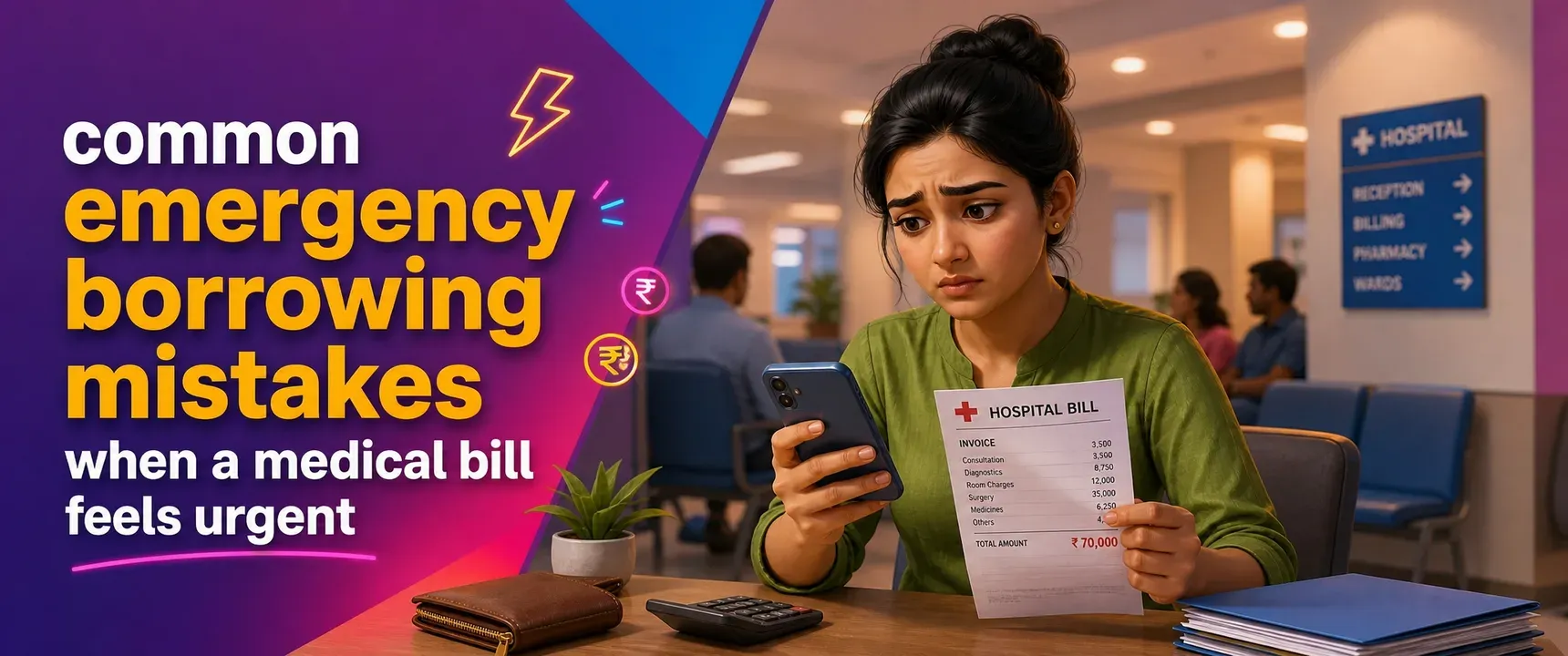
Table of content
Overview
Why urgency causes mistakes
5 common emergency borrowing mistakes
What responsible emergency borrowing looks like
FAQs
A hospital bill lands without warning. The pressure to pay right now can push anyone toward the first loan option they see. That urgency, while understandable, is exactly when costly borrowing mistakes happen. mPokket believes fast access to an emergency loan and responsible decision making can coexist, even when a medical bill feels like it cannot wait another hour.
Follow our Whatsapp Community for more offers and updates.
Join nowMedical emergencies compress decision making into minutes. A family member needs surgery, a diagnostic test requires immediate payment, or a pharmacy bill must be cleared before discharge. The emotional weight of these moments makes it tempting to grab the first available loan without reading the terms.
This is not a character flaw. It is a predictable response to crisis. But lenders with hidden charges count on exactly this kind of rushed behavior. Recognizing that urgency itself is a risk factor is the first step toward borrowing responsibly under pressure.
When panic sets in, many borrowers round up aggressively. A Rs 30,000 hospital bill becomes a Rs 50,000 loan "just in case." That extra Rs 20,000 carries interest and extends your repayment timeline. Before applying, call the hospital billing desk and confirm the exact amount. Borrow only what the bill demands, plus a small buffer of 5% to 10% for incidentals.
Speed matters, but so does knowing what you will actually repay. Many borrowers look only at the loan amount and ignore the interest rate, processing fee, and total repayment figure. A personal loan EMI calculator can show you the full cost in seconds. mPokket displays the Key Fact Statement before disbursal so borrowers can see the total interest and principal amount upfront.
Urgency makes people skip basic checks. Is the lender RBI registered? Are the charges listed clearly in the app? Does the loan agreement mention foreclosure terms? Borrowing from an unverified source during a medical crisis can create a second crisis. Stick to digital lending platforms that follow RBI digital lending guidelines and show transparent loan terms before you accept.
A loan that solves today's hospital bill but breaks next month's budget is not a solution. Before accepting any emergency loan, calculate whether the monthly EMI fits within 30% of your take home income. If it does not, adjust the tenure. mPokket offers flexible repayment options and tenure selection so borrowers can align EMI with their actual cash flow rather than defaulting under pressure.
Scrambling for your Aadhaar card or PAN card during a medical emergency adds unnecessary delay and stress. This delay can push borrowers toward informal, high cost sources. Keep digital copies of your KYC documents accessible on your phone. With mPokket, the paperless loan application uses Aadhaar and PAN for OTP based verification, which means a prepared borrower can complete the process in minutes without visiting a branch.
Responsible borrowing under pressure is not slow borrowing. It is informed borrowing. Confirm the exact bill amount. Open a loan EMI calculator and check the monthly installment against your income. Verify that the lender shows all charges before disbursal. Choose a tenure that keeps your EMI manageable. These steps take five to ten minutes, not hours.
mPokket is designed to support this approach. The app can help borrowers access an emergency loan with direct bank transfer, transparent interest rates, and flexible EMI schedules. Speed and responsibility are not opposites when the right tools are in place.
Medical bills will always feel urgent. The borrowing decision does not have to feel regrettable. Take a breath, check the numbers, and choose a lender that shows you exactly what you are agreeing to before the funds hit your account.
mPokket is designed to offer a quick emergency loan with a paperless application using Aadhaar and PAN. Funds can be transferred directly to your bank account, making it a practical option for urgent medical expenses in India.
Confirm the exact hospital bill amount before applying. Borrow only that figure plus a small buffer of 5% to 10%. Use a personal loan EMI calculator to verify the monthly installment fits within 30% of your income.
Most digital lenders require Aadhaar card and PAN card for KYC verification. Keep digital copies on your phone so you can complete a paperless loan application quickly during a medical emergency.
Verify the lender follows RBI digital lending guidelines. Check that all charges, interest rates, and the Key Fact Statement are displayed before disbursal. Avoid any app that hides fees or does not show transparent loan terms.
What makes an emergency loan app useful for same day needs
4 mins min read • 19 October 2026
The smartest emergency borrowing advice often starts with smaller amounts and shorter plans
4 mins min read • 19 October 2026
Which app gives emergency loan instantly in India for medical bills?
4 mins min read • 14 October 2026
Common mistakes founders make when evaluating startup business loan options
4 mins min read • 19 October 2026
What is driving demand for instant business loans in India
3 mins min read • 19 October 2026
