3 min read • 18 June 2026


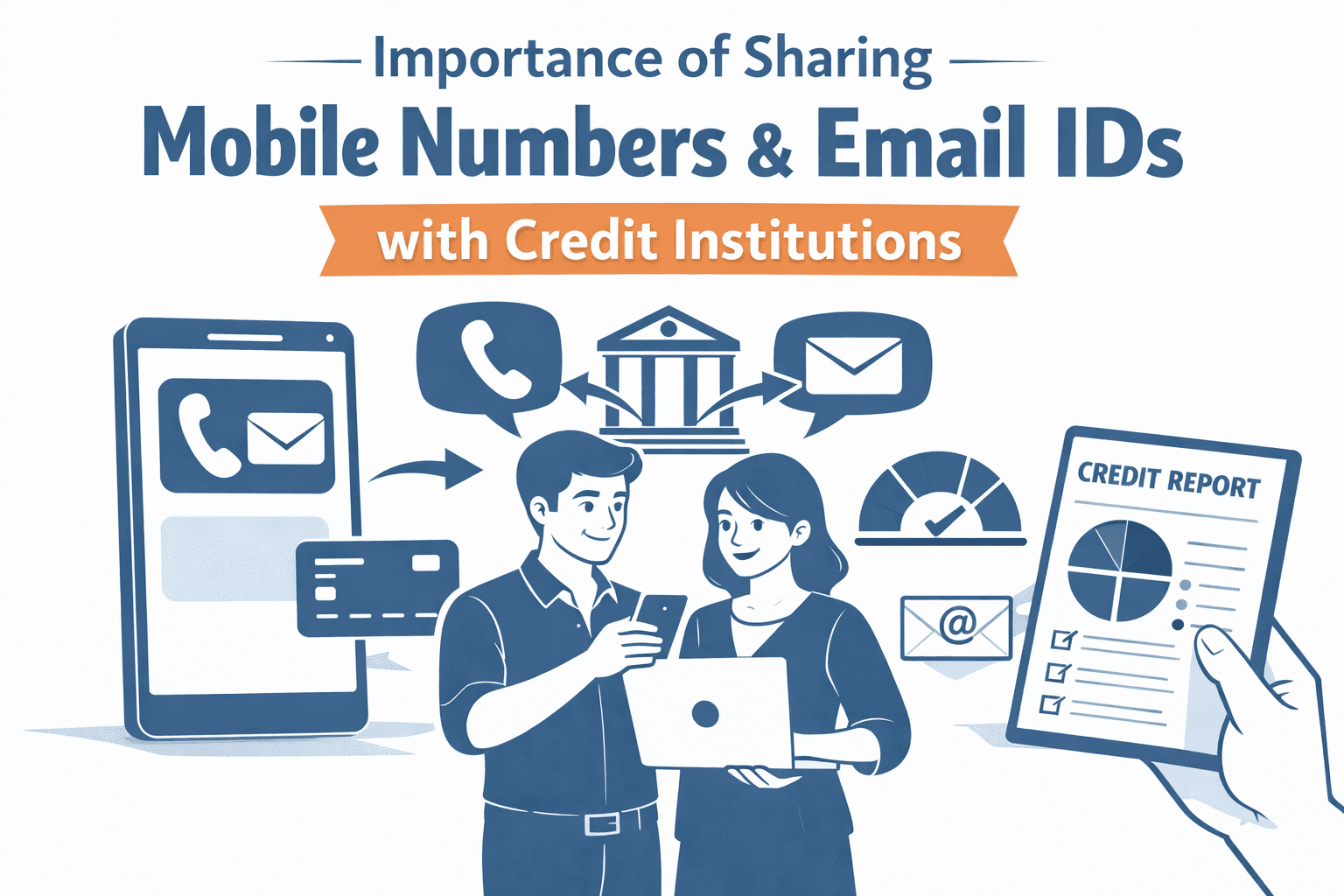
Table of content
Importance of Sharing Mobile Numbers and email IDs with Credit Institutions
Smooth Communication for Loan Updates and Approvals
Quick Verification and Faster Processing
Timely EMI Reminders and Payment Alerts
Access to Statements, Offers, and Credit Reports
Enhanced Safety and Fraud Prevention
How Does Updated Contact Information Improve Your Credit Experience?
Conclusion
Lenders and creditors require applicants to provide their mobile phone numbers as well as their email addresses when submitting applications for loans, credit cards or any other type of financial product. While these two items seem very basic, they serve an extremely important function within the scope of establishing, maintaining and managing an individual's credit relationship with the lending institutions.
As technology continues to evolve and reshape our interactions with financial institutions through digital communications channels, mobile phone numbers and email addresses are now one of the primary authentication methods in the digital financial world. They have become the main method by which banks, NBFCs and online lenders authenticate the applicant when processing an application for a loan(s), making a loan decision and sending notifications regarding the loan application status or completed loan transaction. Without providing these two items, the probability of being able to fill out or submit a credit application is almost impossible.
What is the Importance of Sharing Mobile Numbers and Email IDs with Credit Institutions?
For credit institutions, sharing your phone number and email address isn't just a procedure; it enables them to interact with you easily and helps you process loans and manage your finances.
Follow our Whatsapp Community for more offers and updates.
Join nowCredit institutions rely on your phone number and email address to notify you about your loan status, approvals, rejections, and verification steps as they happen. If you don't provide accurate contact information, important messages about your application could be delayed, which would cause unnecessary delays during your loan process.
OTP verification and email authentication have become the basis of modern lending systems. Customer's current contact information is also used to expedite the digital KYC process; customers will experience fewer manual verification instances throughout the approval process.
In addition to enabling borrowers to receive automated notifications regarding EMI due dates, missed payments, and successful transaction confirmations, lenders also provide an alternative method for communicating this information. Therefore, if a borrower offers their mobile number and email address, they can expect to receive payment reminders without having to call the lender directly.
Your email address is also typically used to send out monthly loan and payment statements, loan summaries, and other special loan offers. Additionally, your email allows lenders to provide you with your credit report regularly and to track your borrowing activity.
Credit institutions alert customers instantly in the event of suspicious activity, unauthorised loan requests, or changes to account details. Updated contact information provides an extra layer of security and helps prevent misuse of your identity.
Having the correct mobile number and email address currently on file at all of your financial institutions (lenders), as well as maintaining contact information updated throughout your loan process, also ensures that you will have access to essential communications from those financial institutions related to your credit history.
Having the correct information also means the financial institution can send timely communications about upcoming due dates, monthly payments, loan status updates, and fraudulent activity reports. These timely communications will help you avoid missing any deadlines, late charges, or other penalties that may negatively affect your credit rating.
By keeping your contact information current, you can monitor your financial obligations on an ongoing basis and maintain a positive credit history.
Having accurate contact information allows your lenders to help you as soon as you need it. This means that if you apply for a loan, dispute any errors in your credit profile, or request information about it, there is no concern about delays in communication, which helps speed up the resolution process.
With updated contact information, you have a better chance of having an easy, secure credit experience and of handling your finances without confusion with your creditors.
Updating your contact details (mobile numbers and email addresses) with your credit providers provides an easy-to-use, organised, and transparent lending process with minimal obstruction. By keeping your current, accurate, and complete contact details on file with all your credit providers, you will remain up to date on all your credit accounts, including repayment due dates, loan approvals, reminder notices, and other important credit history information.
When sharing your personal contact details, exercise caution. You should never provide your mobile number and/or email address and/or personal identification documents to anyone (regardless of whether you know the person or not) online or through any third party or agent who cannot clearly identify themselves as a legitimate company/entity, programme or lender.
Unfortunately, by using lenders' identities, scammers can easily misuse your personal and/or financial information. Before providing any personal or financial information to any institution/lender, you should first verify that the institution is a legitimate lender, and find out how to access lenders through the institution's website/applications. By being vigilant, you are protecting your financial future and ensuring you maintain a good credit standing with your lenders.